


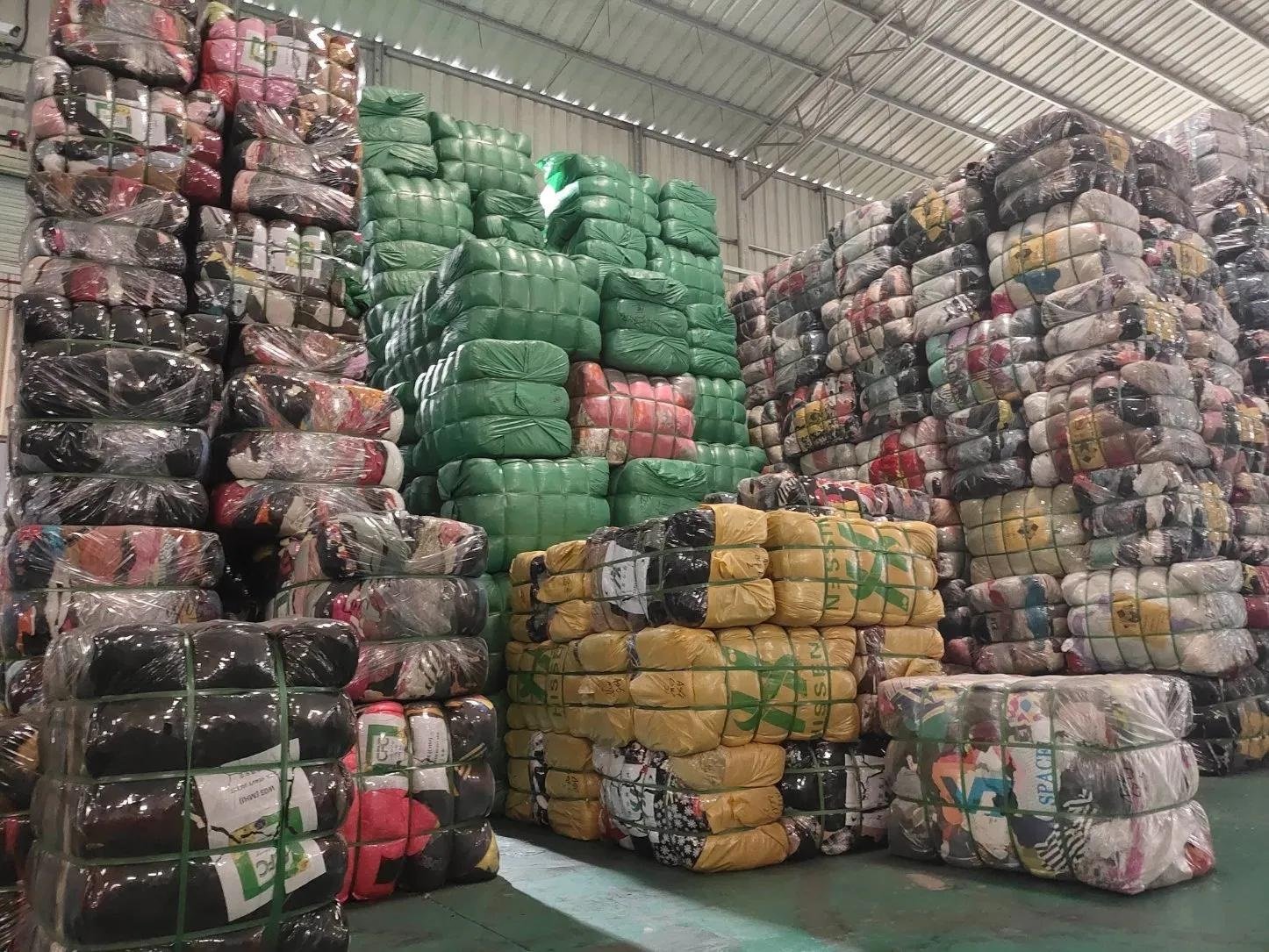
Importing second-hand clothing and used shoes from Europe can create business opportunities for entrepreneurs, wholesalers, distributors, and retailers looking to supply affordable clothing and footwear to their local markets.
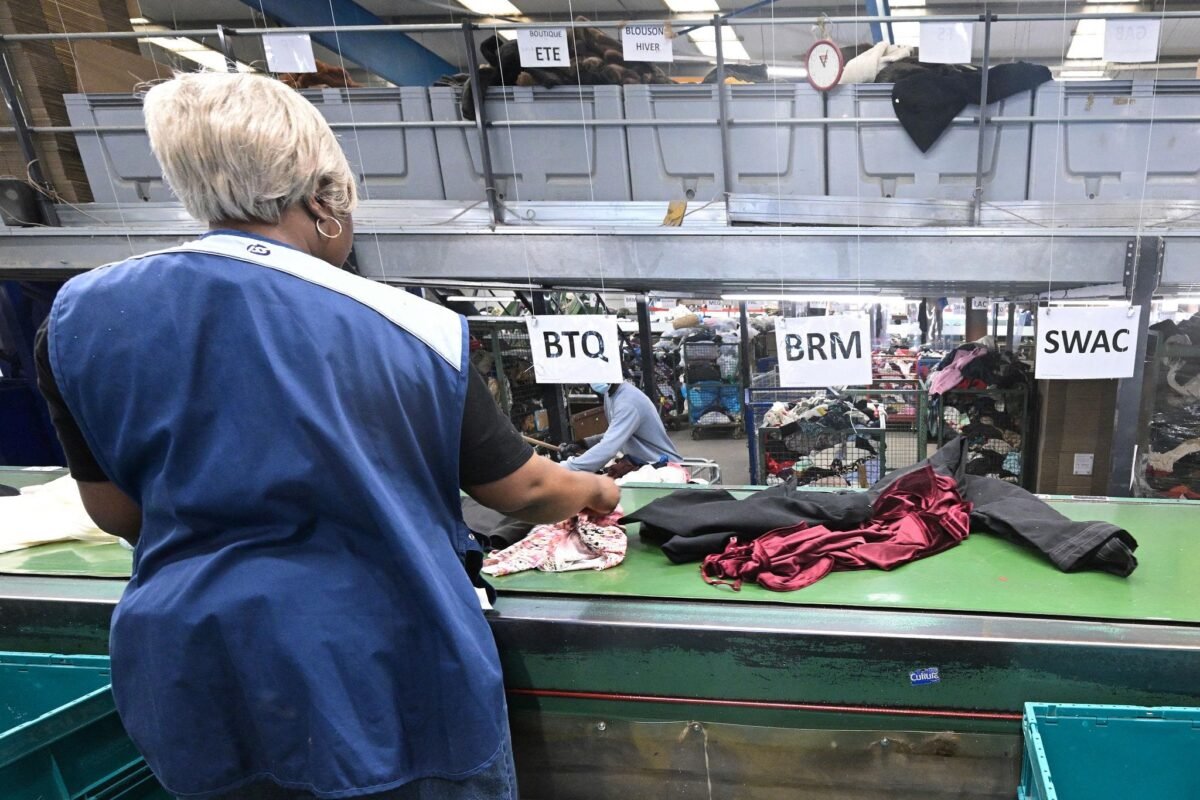
Europe has an established second-hand textile trade, with collection networks, sorting operations, wholesalers, and exporters supplying products to different international destinations. For businesses outside Europe, purchasing used clothing in bulk can provide access to a variety of garments and footwear for resale.
However, successful importing requires careful planning. Buyers need to identify reliable suppliers, understand clothing grades, confirm product specifications, calculate the total landed cost, arrange transportation, and comply with customs and import regulations.
This guide explains how to import wholesale second-hand clothes and used shoes from Europe, what to consider before placing an order, and how to establish a reliable supply relationship.
1. Is Importing Second-Hand Clothing from Europe a Good Business Opportunity?
The second-hand clothing market serves consumers looking for affordable garments, different styles, and alternatives to purchasing new clothing. In many countries, used clothing is sold through market stalls, specialist shops, retail outlets, online stores, and independent distributors.
For entrepreneurs, importing second-hand clothing can provide an opportunity to participate in this market through bulk purchasing and local resale.
Some potential advantages include:
Access to different clothing categories: Buyers may be able to source men’s, women’s, children’s, mixed, and seasonal clothing, depending on supplier availability.
Bulk purchasing opportunities: Wholesale bales allow businesses to acquire larger quantities through commercial supply arrangements.
Different resale channels: Imported garments can be distributed through shops, market traders, online platforms, and other retail businesses.
European sourcing networks: Established suppliers may provide access to clothing sourced from several European markets.
Used footwear opportunities: Second-hand shoes can complement clothing sales and help businesses serve customers looking for affordable footwear.
Nevertheless, profitability is not guaranteed. It depends on the condition of the goods, purchase price, transportation, import charges, local demand, and the buyer’s ability to manage inventory and sales.
Before importing, research your target market and calculate the costs involved.
2. Understand the Types of Second-Hand Clothing You Can Import
Before contacting a supplier, decide what type of clothing you want to purchase. Your product selection should reflect the preferences of your customers and the retail channels you intend to serve.
Men’s Second-Hand Clothing
Men’s clothing may include T-shirts, polo shirts, shirts, trousers, jeans, shorts, jackets, coats, sweaters, sweatshirts, tracksuits, and sportswear.
Importers serving men’s clothing markets may prefer category-specific stock or mixed selections, depending on their customers’ needs.
Women’s Second-Hand Clothing
Women’s clothing may include dresses, blouses, tops, skirts, trousers, jeans, jackets, coats, cardigans, sweaters, sportswear, and seasonal garments.
The availability of specific styles and categories depends on the supplier’s current stock and sorting arrangements.
Children’s Second-Hand Clothing
Children’s clothing can include baby garments, toddler clothing, T-shirts, trousers, jeans, dresses, skirts, jackets, sweaters, shorts, and tracksuits.
Buyers should pay particular attention to condition, sizing, cleanliness, and product suitability when importing children’s garments.
Mixed Second-Hand Clothing
Mixed clothing bales may contain different garment types within an agreed category or assortment.
They can be useful for retailers who sell a variety of garments, but importers should confirm the expected composition before purchasing.
Second-Hand Shoes and Footwear
Used footwear is another product category that international buyers may consider.
Depending on availability, wholesale footwear selections may include:
- Men’s used shoes
- Women’s used shoes
- Children’s footwear
- Trainers and sports shoes
- Boots
- Sandals and slippers
- Mixed second-hand footwear
Shoes may be packaged and supplied separately from clothing. Confirm the product condition, packaging, quantity, and purchasing arrangements with the supplier.
New Clothing
Some wholesale suppliers also handle new clothing alongside used garments. Buyers should ensure that new and second-hand products are described separately in the quotation, invoice, and other relevant commercial documents.
3. Find a Reliable European Second-Hand Clothing Supplier
Choosing the right supplier is one of the most important stages of importing.
A supplier should be able to explain its products, sourcing arrangements, grading system, packaging, pricing, and delivery procedures. Buyers should avoid making substantial payments based only on advertisements or informal conversations.
Research Wholesale Suppliers
Look for companies that specialise in second-hand clothing, used footwear, textile collection, wholesale distribution, or international export.
Review their websites, company information, product categories, business addresses, and available contact details.
Verify Company Information
Where possible, check the supplier’s registered business information, VAT details, and company identity through relevant official sources.
Make sure the company name on the quotation, invoice, payment instructions, and other commercial documents is consistent with the business you have verified.
Understand Their Product Range
Ask whether the supplier offers men’s, women’s, children’s, mixed, seasonal, or other clothing categories.
For footwear, confirm whether used shoes are available as a separate product category and what condition standards apply.
Ask About Sourcing and Sorting
Find out where the products are sourced and what sorting or assessment procedures are applied.
A supplier should be able to explain the meaning of its grading terms and the expected condition of the goods being offered.
Request a Written Quotation
A written quotation helps establish the commercial details of the proposed purchase.
It should identify the product category, quantity, pricing basis, specifications, payment arrangements, and any relevant delivery or collection terms.
Avoid Suspicious Offers
Be cautious when a supplier:
- Offers unusually low prices without explaining the product specifications.
- Refuses to provide verifiable business information.
- Uses inconsistent company names or payment details.
- Pressures you to make an immediate payment.
- Cannot explain the condition or composition of the goods.
- Provides unclear or contradictory shipping information.
A reliable purchasing relationship should be based on transparency and documented agreements.
4. What Are the Best European Markets for Sourcing Used Clothing?
Different European countries participate in the collection, sorting, resale, and export of used textiles.
The best sourcing market for your business depends on supplier availability, product categories, pricing, logistics, and the quality requirements of your target customers.
DOINA SRL’s sourcing network includes the following European locations:
France – Paris
France is one of the European markets included in DOINA SRL’s sourcing network. Buyers interested in sourcing second-hand clothing through this market can contact the company to discuss available wholesale products.
Germany – Munich
Germany is another market within the company’s sourcing network. Product availability and specifications should be confirmed before an order is placed.
The Netherlands – Amsterdam
Amsterdam is included among the locations connected to DOINA SRL’s sourcing activities. Buyers can enquire about available second-hand clothing and related wholesale products.
United Kingdom – London
The United Kingdom forms part of the company’s sourcing network. DOINA SRL also maintains a warehouse in Ascot, Berkshire, England.
Belgium – Brussels
Brussels is another location included in the company’s European sourcing activities.
These locations are part of DOINA SRL’s sourcing network. They should not be interpreted as a guarantee that every clothing category or product type is continuously available from each location.
When comparing suppliers in different countries, focus on the actual goods offered, their condition, price, documentation, and the total cost of getting them to your destination.
5. Understand Second-Hand Clothing Grades Before Buying
One of the most common mistakes made by new importers is purchasing clothing without understanding the supplier’s grading system.
Second-hand clothing suppliers may use descriptions such as Grade A, Grade B, Grade C, Cream, Premium, or other classifications. However, these terms are not applied uniformly throughout the industry.
Grade A
Grade A commonly refers to garments considered to be in relatively good resale condition. The specific standard depends on the supplier.
Grade B
Grade B is often used for garments showing more noticeable signs of wear or use. Buyers should confirm the level of wear and the types of defects that may be included.
Grade C
Grade C may describe garments with significant wear, visible defects, or limited resale suitability. Buyers should establish whether the products are intended for resale, repair, or another purpose.
Cream or Premium
Some suppliers use Cream or Premium to describe selected clothing considered to have stronger resale appeal. These descriptions may relate to condition, style, brand selection, or other selection criteria.
They should not be treated as universal quality certifications.
Questions to Ask About Grades
Before purchasing, ask the supplier:
- What does each grade mean?
- What condition should I expect?
- Are damaged or stained garments included?
- Are the garments suitable for direct resale?
- Are products inspected individually or assessed in batches?
- Can I receive representative photographs or arrange an inspection?
- What happens if the delivered goods do not match the agreed specifications?
Understanding grading is important because it influences the expected resale value and the commercial risks of the shipment.
6. What Should You Know About Buying Clothing in Bales?
Second-hand clothing is frequently supplied in bulk packages commonly known as bales.
A bale may contain garments from a particular clothing category or a mixed selection, depending on the supplier’s sorting and packaging arrangements.
Before placing an order, confirm the following:
Bale Weight
There is no single standard weight for every second-hand clothing bale. Weight can vary according to the product category, supplier, and packaging method.
Ask for the exact weight of the bales being offered.
Bale Dimensions
Bale dimensions can affect storage, handling, loading, and transportation. Request the measurements where available.
Bale Composition
Find out whether the bale contains men’s, women’s, children’s, mixed, or another category of clothing.
Ask whether the garments are selected, sorted, graded, or supplied as a mixed assortment.
Number of Garments
The number of garments per bale can vary significantly. Lightweight clothing and heavier garments do not produce the same piece count at a given weight.
If piece count is important to your business, request an estimate from the supplier rather than assuming a fixed number.
Packaging
Ask how the goods are packaged, compressed, labelled, and prepared for collection or shipment.
Photographs and Inspection
Where available, request current photographs or videos showing representative stock and packaging. Establish whether the images represent the actual goods or are illustrative.
A clear understanding of bale specifications makes it easier to compare suppliers and calculate your purchasing costs.
7. How Much Does It Cost to Import Second-Hand Clothes from Europe?
The cost of importing second-hand clothing depends on several factors. The purchase price is only one part of the total expenditure.
A buyer should calculate the complete landed cost before committing to an order.
Cost of the Clothing
The supplier’s price may be based on weight, individual bale, product category, or total order quantity.
Make sure you understand the pricing basis and whether the quotation includes any additional charges.
Collection and Handling
Depending on the supplier’s arrangements, collection, handling, loading, and preparation may involve additional costs.
Transportation and Freight
The cost of transporting the goods depends on the collection location, destination, shipment size, transport method, and other logistics factors.
Cargo Insurance
Buyers may consider insurance to protect against eligible risks during transportation. The type and extent of cover depend on the insurance arrangement.
Customs Duties and Taxes
Import duties, VAT, and other applicable taxes depend on the destination country, product classification, customs valuation, and applicable trade rules.
Customs Clearance
Customs brokerage, inspection, documentation, port, terminal, and clearance charges may contribute to the overall cost.
Local Transportation and Storage
After customs clearance, the goods may need to be transported to a warehouse, shop, or distribution centre. Storage and handling costs should also be considered.
How to Calculate the Landed Cost
A simplified calculation is:
Total Landed Cost = Product Purchase Price + Collection and Handling + Freight + Insurance + Customs Duties and Taxes + Clearance Charges + Local Transportation and Other Applicable Costs
To calculate the cost per kilogram:
Cost per Kilogram = Total Landed Cost ÷ Total Net Weight of the Goods
To estimate the cost per bale:
Cost per Bale = Total Landed Cost ÷ Number of Bales
These calculations are useful for evaluating quotations and determining whether the shipment makes commercial sense.
The actual customs valuation and tax calculation must follow the rules of the destination country; the simplified formulas above are for business planning rather than customs declarations.
8. How Do You Ship Second-Hand Clothing from Europe?
The appropriate shipping arrangement depends on the order size, collection location, destination, urgency, and available transport services.
Road Transportation
Road transport may be suitable for shipments moving between European countries or towards destinations connected by established road freight networks.
Sea Freight
Sea freight is commonly considered for larger international shipments and may involve containerised transportation.
The appropriate container size and loading arrangement depend on the total shipment volume, bale dimensions, weight, and transport requirements.
Air Freight
Air freight may be considered for smaller or time-sensitive shipments, although the cost can make it less suitable for many bulk second-hand clothing purchases.
Door-to-Door Delivery
Some logistics providers offer door-to-door arrangements, handling different stages of the transportation process.
Buyers should establish exactly what is included, which parties are responsible for customs procedures, and whether taxes and other charges are included.
Container Shipping
Container shipping can be an option for importers purchasing substantial quantities.
Before confirming container arrangements, discuss:
- Total number of bales
- Gross and net shipment weight
- Bale dimensions
- Available loading space
- Collection location
- Destination port
- Loading responsibilities
- Freight and insurance costs
- Customs documentation
- Final delivery arrangements
Do not select a container size based only on the number of bales. Weight and volume both matter.
9. What Documents Are Needed to Import Used Clothing?
The documents required for importing second-hand clothing depend on the countries involved, the type and classification of goods, the transport method, and applicable customs rules.
Common commercial and shipping documents may include the following.
Commercial Invoice
A commercial invoice records the transaction between the seller and buyer. It generally identifies the parties, goods, quantities, values, and other relevant commercial information.
Packing List
A packing list describes the contents of the shipment, such as the number of packages or bales, their weights, and other packaging details.
Transport Document
The transport document depends on the shipping method. For example, sea freight may involve a bill of lading, while other transport methods use their own documentation.
Customs Declaration
A customs declaration provides information required by the relevant customs authority for the import or export procedure.
Certificate of Origin
A certificate of origin may be required or requested in certain transactions. Its necessity depends on the applicable customs rules, trade arrangements, and destination requirements.
Insurance Documents
Where cargo insurance is arranged, the relevant policy or insurance certificate may be required for the transaction.
Other Regulatory Documents
Depending on the goods and destination, additional certificates, permits, declarations, or environmental documentation may be required.
Buyers should confirm the exact requirements with the destination country’s customs authority or a qualified customs broker before the goods are shipped.
10. Understanding Customs Classification: Reusable Clothing or Textile Waste?
This is an important consideration for anyone importing second-hand clothing from Europe.
Used clothing intended for direct reuse and textile waste are not automatically treated in the same way under international trade and environmental regulations.
The condition of the goods, their intended use, handling, and applicable legal requirements influence their classification.
Reusable Second-Hand Clothing
Garments that remain suitable for direct use as clothing may be traded as second-hand goods, subject to the applicable customs and product requirements.
Textile Waste
Materials discarded or intended to be discarded may fall under waste-management and waste-shipment regulations.
The export or import of waste may involve additional controls, documentation, notifications, or restrictions.
Why Correct Classification Matters
Incorrectly declaring a shipment can lead to customs delays, inspections, additional costs, penalties, or other legal consequences.
Importers should ensure that:
- The goods are accurately described.
- Their condition and intended use are properly documented.
- Commercial invoices and packing lists reflect the actual shipment.
- Any waste classification is handled according to the applicable rules.
- The exporter and importer understand their respective responsibilities.
Do not assume that all used textiles are reusable merchandise simply because they are described as second-hand clothing.
11. European Regulations Importers Should Understand
European rules concerning textiles, waste management, and international shipments have been evolving. Importers and exporters should understand how these developments may affect their business.
Revised EU Waste Framework Directive
Directive (EU) 2025/1892 entered into force in October 2025 and revises the EU Waste Framework Directive.
The revised framework introduces additional measures concerning textile waste management and extended producer responsibility for textiles and footwear.
It also strengthens the broader approach to textile collection, reuse, recycling, and waste prevention.
EU Waste Shipments Regulation
Regulation (EU) 2024/1157 entered into force on 20 May 2024. Most of its provisions apply from 21 May 2026, while most new export rules apply from 21 May 2027.
The regulation updates controls for shipments of waste within, into, and out of the European Union.
Its relevance depends on whether the goods being shipped are legally classified as waste.
United Kingdom Requirements
The United Kingdom has its own requirements governing waste shipments and exports. Businesses sourcing goods from the UK should consult current government guidance to establish whether the material is reusable merchandise or waste and what rules apply.
Destination-Country Import Requirements
The destination country may impose additional rules on used clothing and footwear, including import restrictions, customs duties, taxes, documentation, or other requirements.
For this reason, importers should check the regulations of their destination country before making a purchase.
Regulatory requirements can change. Always verify the rules applicable to the specific shipment and shipment date rather than relying solely on general information or a supplier’s previous experience.
12. How to Import Second-Hand Clothes into Africa
African markets provide opportunities for businesses involved in the wholesale and retail distribution of second-hand clothing. However, importers must understand the requirements of their specific destination country.
Countries may have different customs procedures, product restrictions, taxes, port arrangements, and documentation requirements.
Research Local Customer Demand
Before importing, identify the types of clothing your customers prefer.
Consider:
- Men’s clothing demand
- Women’s clothing demand
- Children’s clothing demand
- Mixed clothing preferences
- Seasonal products
- Used footwear
- Preferred styles, sizes, and conditions
Do not assume that a product category popular in one country will have the same demand in another.
Confirm Import Regulations
Check whether your destination country permits the importation of the particular second-hand clothing and footwear products you intend to purchase.
Confirm customs classification, duties, taxes, and required documentation.
Calculate Local Selling Prices
Research the prices charged by existing retailers and market traders. Your expected selling price should account for the landed cost, storage, handling, distribution, and other business expenses.
Plan Distribution
Decide whether you will sell directly to consumers, supply other retailers, distribute to market traders, or operate through several channels.
A distribution plan helps determine the quantity and product categories you should purchase.
Build a Reliable Supplier Relationship
A consistent supplier relationship can help you plan future orders and understand stock availability. Maintain clear records of agreed specifications and evaluate each shipment against your purchasing requirements.
13. Common Mistakes to Avoid When Importing Second-Hand Clothing
Importing in bulk can involve substantial financial commitments. Avoiding common mistakes can help protect your investment.
Choosing a Supplier Based Only on Price
A low price does not necessarily mean good value. Compare product specifications, condition, grading, supplier credibility, and shipping arrangements.
Not Understanding the Grading System
Grade labels vary between suppliers. Always ask what each grade means and what condition you should expect.
Ignoring Bale Weight and Composition
Do not assume that every bale has the same weight or contains the same number of garments. Request accurate specifications.
Failing to Calculate the Full Import Cost
Include freight, customs duties, taxes, clearance, insurance, storage, and local transportation when calculating your expected expenditure.
Ordering Without Checking Local Demand
Importing large quantities without understanding customer preferences can result in slow-moving or unsold inventory.
Ignoring Import Restrictions
Some countries impose specific rules on used clothing and textiles. Check the applicable requirements before paying or arranging transportation.
Using Unverified Payment Instructions
Confirm payment details directly through trusted company communication channels. Be especially careful when receiving unexpected changes to bank or payment instructions.
Failing to Document the Agreement
Keep written quotations, invoices, specifications, payment confirmations, and shipping documents.
Misunderstanding the Difference Between Used Goods and Waste
Incorrect product classification can create regulatory and customs problems. Ensure that the goods and their documentation accurately reflect their actual condition and intended use.
14. How to Start a Second-Hand Clothing Import Business
If you are new to the industry, start by developing a clear business plan before making a large purchase.
Step 1: Research Your Market
Identify your potential customers, competitors, preferred clothing categories, and local resale prices.
Step 2: Decide What to Import
Choose whether you want to focus on men’s clothing, women’s clothing, children’s garments, mixed clothing, used shoes, or a combination of categories.
Step 3: Establish Your Budget
Calculate how much you can invest in products, shipping, customs, storage, and distribution.
Include a financial allowance for unexpected costs and operational expenses.
Step 4: Identify Suitable Suppliers
Research wholesalers and exporters, verify their business details, and request product information and written quotations.
Step 5: Confirm Product Specifications
Agree on clothing categories, condition, grading, bale weights, packaging, and order quantity.
Step 6: Arrange Shipping and Customs
Discuss transportation options, export responsibilities, import documentation, customs clearance, and final delivery.
Step 7: Organise Storage and Sales
Prepare your warehouse, shop, or distribution arrangements before the goods arrive.
Step 8: Review Your First Shipment
After receiving the goods, compare the shipment with the agreed specifications and assess its commercial performance.
Use this information to improve future purchasing decisions.
15. Why Choose DOINA SRL for Wholesale Second-Hand Clothing and Used Shoes?
DOINA SRL is a wholesale trading company specialising in second-hand clothing and used footwear, with business activities dating back to 1991.
The company serves international buyers involved in importing, wholesale distribution, and retail resale.
Its sourcing network includes France (Paris), Germany (Munich), the Netherlands (Amsterdam), the United Kingdom (London), and Belgium (Brussels).
Wholesale Second-Hand Clothing
DOINA SRL handles different second-hand clothing categories, including men’s, women’s, children’s, and mixed garments, subject to current stock and purchasing arrangements.
Businesses interested in particular clothing categories can contact the company to discuss availability and product specifications.
Wholesale Used Shoes
The company also participates in the wholesale trade of used footwear. Buyers can enquire about available shoe categories, quantities, packaging, and commercial arrangements.
European Sourcing Network
The company’s sourcing activities are connected to several European markets, providing a network for its second-hand clothing and footwear trade.
Collection Methods
DOINA SRL identifies container collection, door-to-door collection, and clearance collection among its sourcing and collection activities.
Romania and United Kingdom Presence
The company’s registered address is in Tecuci, Galati, Romania, and it maintains a warehouse at 3 London Road, Ascot, Berkshire, England, SL5 8DQ.
This presence supports its business activities across the European second-hand goods market.
International Wholesale Enquiries
DOINA SRL welcomes enquiries from importers, wholesalers, distributors, retailers, and businesses looking to source second-hand clothing and used shoes in bulk.
When contacting the company, provide your preferred product categories, estimated order quantity, and destination country to help the team understand your requirements.
16. Frequently Asked Questions About Importing Second-Hand Clothing from Europe
How do I import second-hand clothes from Europe?
Start by researching the market in your destination country, identifying a suitable European supplier, confirming the product specifications, obtaining a written quotation, calculating the total landed cost, and checking customs and import requirements. Once the commercial and regulatory arrangements are clear, you can organise payment, collection, and transportation.
Where can I buy wholesale second-hand clothes in Europe?
You can source used clothing through specialist wholesalers, exporters, collection businesses, and textile sorting operators. DOINA SRL is one company that handles wholesale second-hand clothing and used footwear enquiries through its European sourcing network.
Can I import used shoes together with second-hand clothing?
Used footwear can be purchased as a separate wholesale category. Whether it can be included in the same shipment as clothing depends on the supplier’s stock, packaging, and transport arrangements. Confirm this before placing an order.
What is the minimum order quantity for wholesale second-hand clothing?
Minimum order quantities vary between suppliers and product categories. Some may offer individual bales, while others may require larger bulk purchases. Contact the supplier to confirm its current purchasing requirements.
How much does it cost to import a container of used clothes?
There is no universal container price. The total cost depends on the product purchase price, bale specifications, quantity, collection location, freight, insurance, customs duties, taxes, clearance, and final delivery arrangements. Request a quotation based on your actual shipment requirements.
How many bales fit inside a shipping container?
The number depends on the container dimensions, bale dimensions, total weight, loading arrangement, and transport restrictions. Request the bale specifications and have the freight provider calculate a suitable loading plan.
What documents are required to import used clothes?
Depending on the countries and shipment, documents may include a commercial invoice, packing list, transport document, customs declaration, certificate of origin where applicable, insurance documents, and any additional permits or declarations required by the authorities.
Can I import second-hand clothing into Cameroon?
Importers should verify current Cameroonian customs, product, tax, and any applicable environmental requirements before purchasing or shipping. Requirements can depend on the product classification and the circumstances of the shipment. Consult the relevant customs authorities or a qualified customs broker for confirmation.
Is second-hand clothing considered textile waste?
Not automatically. Wearable garments intended for direct reuse may be treated differently from discarded textiles classified as waste. The actual condition, intended use, handling, and applicable regulations determine the correct classification.
How can I check the quality of used clothing before buying?
Ask for the supplier’s grading standards, current product photographs, bale specifications, and inspection or sampling arrangements where available. Make sure the condition and product category are clearly described in the written quotation.
Can I request specific clothing categories from DOINA SRL?
You can contact DOINA SRL with your preferred categories and estimated quantities. Availability and supply arrangements should be confirmed with the company before an order is placed.
Does DOINA SRL export second-hand clothing internationally?
DOINA SRL serves the international wholesale second-hand goods market. Prospective buyers should contact the company to discuss their destination country, available products, and applicable shipping arrangements.
17. Start Your Wholesale Import Journey with DOINA SRL
Importing second-hand clothes and used shoes from Europe requires a clear understanding of sourcing, grading, bale specifications, transportation, customs, and destination-market demand.
A successful wholesale operation begins with choosing appropriate products, working with a supplier that communicates clearly, documenting the purchase, and calculating the complete cost of importing the goods.
DOINA SRL welcomes enquiries from businesses seeking wholesale second-hand clothing and used footwear through its European sourcing network.
Whether you are an established importer, a distributor expanding your product range, or an entrepreneur entering the second-hand clothing market, contact DOINA SRL to discuss your purchasing requirements.
Enquire about wholesale second-hand clothing, used shoes, available product categories, and international supply arrangements.
Website: https://doinasrl.com/